About Us
events
Wheatbelt Arts & Events (WAEi) is a charity dedicated to advancing culture and education across York, the Avon Valley, and the Wheatbelt. Our program spans visual arts, crafts, music, literature, film and performing arts, delivering high-quality events that celebrate place, tell local stories, and nurture creative capacity. Through The York Festival and a growing slate of community projects, we connect artists, audiences, and learners in ways that broaden participation and deepen cultural life.
A core focus is “providing a community base” in York where people can come together to engage, collaborate, and network around arts, culture and education. Central to this is the establishment of the York Ballardong Arts & Culture Centre, a hub for intergenerational activity, learning and collaboration with Ballardong Noongar communities. The centre supports seminars, workshops and courses, offering a stable space for creativity, skills development and cross-cultural exchange that strengthens the region’s social fabric and creative economy.
In pursuing our objects, we undertake initiatives that are incidental or ancillary to these aims when they support our mission. By weaving together education, opportunity and place, we foster a vibrant, inclusive cultural ecosystem that benefits residents, visitors and local artists alike, and helps position York as a dynamic regional arts destination.

The Town
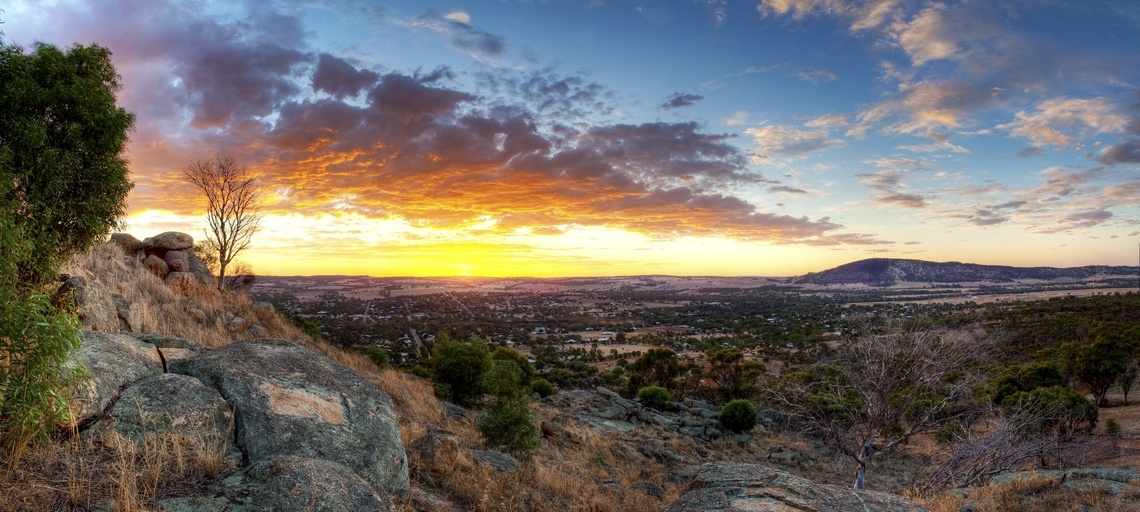
The Noongar people are the traditional owners of the south-west of Western Australia and have been for over 45,000 years. The York region was home to the Ballardong Noongar people who inhabited an estimated 27,000 km² of land, extending from the Avon River in the north to the Darling Scarp in the west, including what is now know as York.
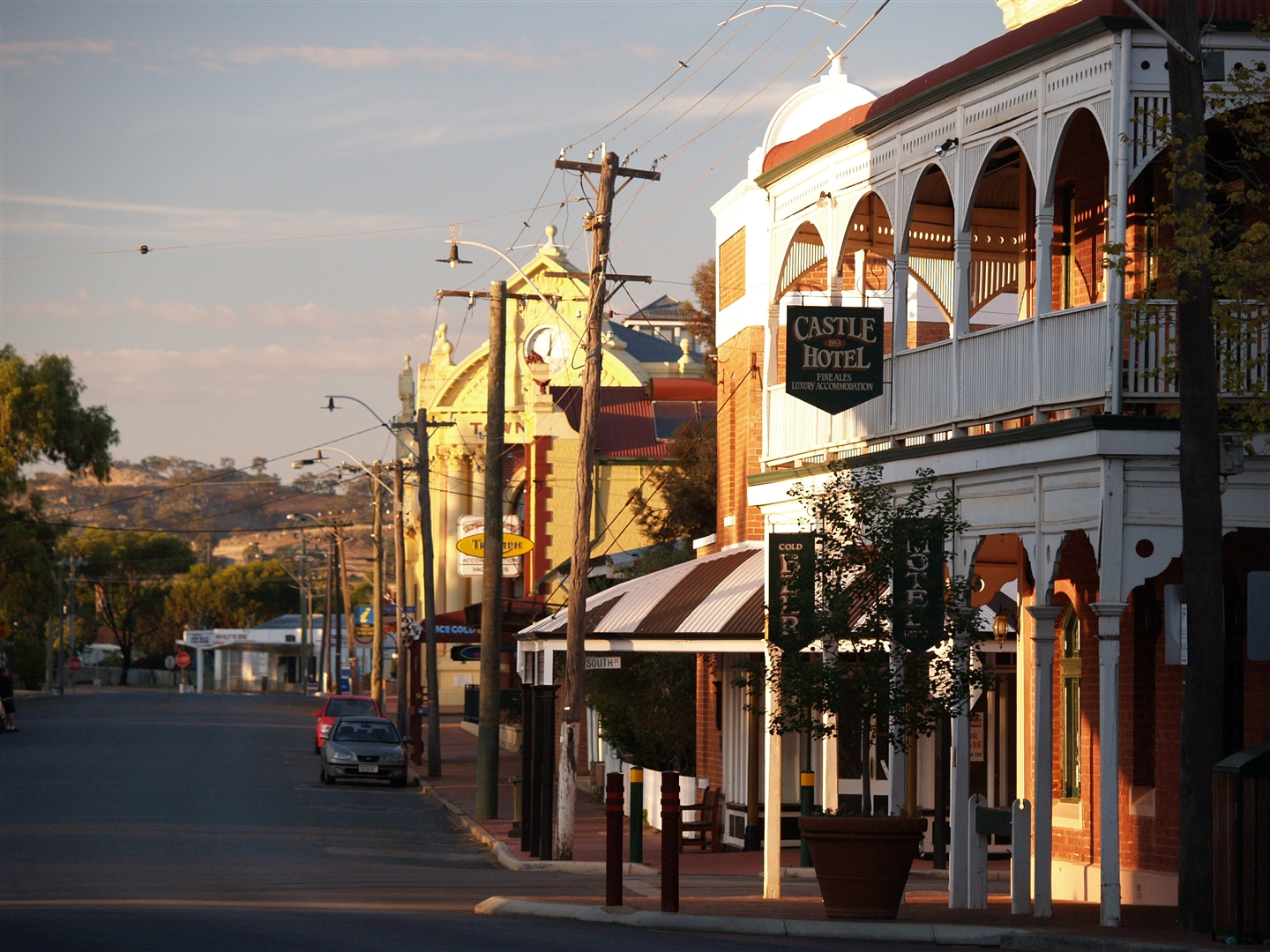
The first settlers arrived in the Avon Valley — now part of WA’s Wheatbelt region, which stretches from Jurien Bay in the north to Wagin in the south — in 1831. York was properly established four years later making it WA’s oldest inland town. It’s about 100km (1 hour 20 minutes) east of Perth; Northam and Toodyay lie to the north, Beverley to the east. It’s cool in winter, mild in autumn and early spring, hot and dry in summer.
The Region
The WA Wheatbelt extends across more than 200,000sqkm. It’s heavily reliant on agriculture industries such as wheat and sheep farming, susceptible to salinity and an ever-drying climate yet with almost a third — more than 60,000sqkm — classified as conservation and natural environments. And from classic country towns to local walks and life around “the granites”, there’s plenty to see and explore.